
Introduction: a garage-bench scene, some numbers, a question
I remember standing over a laser cutter while a thin haze curled out of the workpiece — that sticky, metallic smell that makes you open every window in the building. In many shops today, fume extraction equipment still looks like an afterthought: duct tape fixes, noisy fans, and filters changed when someone finally notices the smell. Recent studies show that workplace exposure to fine particulates can exceed safe limits by two to five times during cutting and welding tasks, and those are not small numbers. (We’ve all been there — frustrated and coughing.)
So I keep asking: how much productivity, safety, and peace of mind are we passing up by sticking with tired systems? This piece starts from that moment at the bench and follows where smarter choices can take a small shop or an industrial line. Let’s dig into what’s really failing — and why it matters — before we look ahead.
Why Traditional Systems Miss the Mark
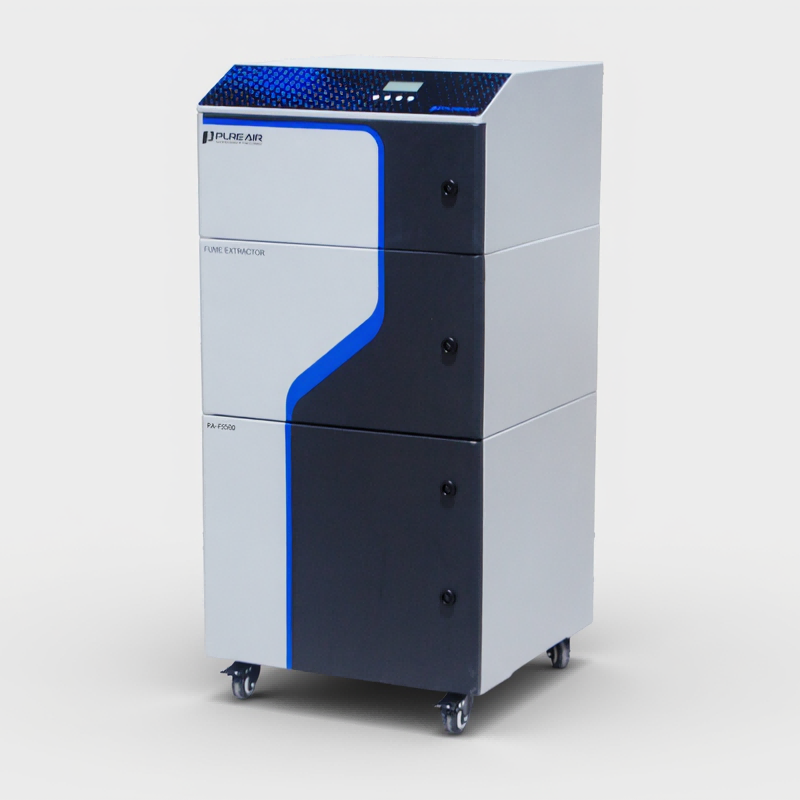
laser smoke/fume extractor is the tool people point to when they want to fix the obvious problems — smoke, smell, and visible haze — but I’ve seen too many installations that treat it like a bandage. Technically speaking, the usual suspects are undersized fans, poorly matched HEPA filters, and duct layouts that kill airflow. In my experience, even a high-end unit will underperform if the airflow rate is choked by bad ductwork or if the system lacks proper capture hoods. Look, it’s simpler than you think: the numbers matter — cubic feet per minute, static pressure, and capture velocity — and they’re often ignored.
Let me get a bit more technical for a moment. Many shops rely on single-stage filtration: pre-filter then HEPA, sometimes with activated carbon stuck on the side. That setup can trap particulates but misses volatile organic compounds and ultrafine particles generated by laser ablation. Power converters on older units also run fans at fixed speeds, so you lose efficiency when the load changes. What I see is a chain of small design choices that add up to big failures in air quality control. When maintenance schedules are irregular, filters clog and sensors drift — and suddenly your extractor is just moving dirty air around. So yes, the extractor matters, but so does system design and controls.
What’s often overlooked?
People forget about sensor placement and real-time monitoring. You can have great filtration but no idea that a local pocket of smoke is building under a hood. Also, modular serviceability is rare. If a motor or a control board fails, some systems require a full unit swap. I prefer modular units that let you change a fan module or a filter bank on-site.
Where We’re Heading: new principles and practical outlook
Now I want to talk about solutions rather than complaints. The next-generation approach blends smarter filtration with better controls: variable-speed drives, differential pressure sensors on filter banks, and edge computing nodes that log events and predict when a filter will fail. When I test newer laser smoke/fume extractor models, what stands out is not just cleaner air but systems that tell you when airflows dip or when a pre-filter is saturated. That predictive shift saves downtime and cuts replacement costs.
Practically speaking, adopting these principles means rethinking procurement and maintenance. Choose units with clear performance specs (capture velocity at the hood, CADR — clean air delivery rate, static pressure curves). Insist on removable modules and accessible service points. And yes — invest in simple diagnostics. I know budgets are tight, but the return shows up in fewer sick days, better yields, and less rework. — funny how that works, right?
What to focus on next?
Here are three quick metrics I’ve used when comparing options: 1) Effective capture velocity at the workface, 2) CADR relative to your process load, and 3) the presence of real-time monitoring and modular service design. Measure those and you’ll avoid most of the common mistakes. Also, factor in energy use — variable fan speeds and smarter control boards cut power draw and extend component life.
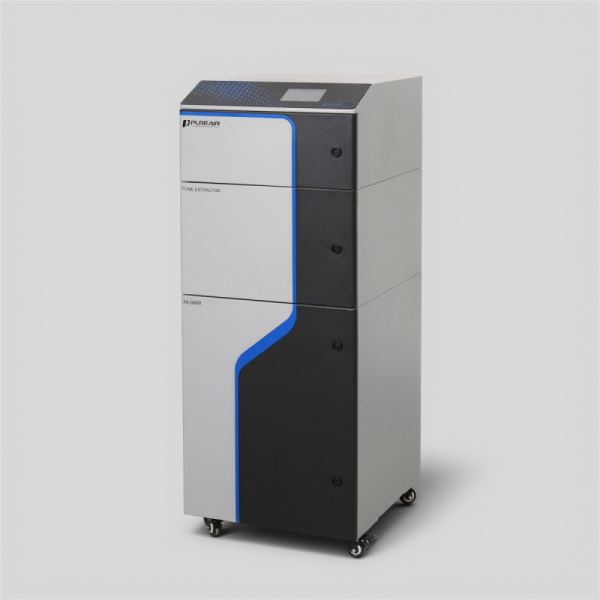
To wrap up, I’ll be blunt: you don’t need magic to improve shop air. You need clear specs, honest diagnostics, and a plan for maintenance. I’ve seen teams upgrade a single workstation extractor and immediately notice fewer complaints and cleaner parts coming off the line. If you want reliable equipment that scales with your process, check out solutions from trusted providers and ask the right questions during selection. For many of us, that’s meant looking into products from PURE-AIR — not because of a shiny logo, but because the design choices match what actually works on the floor.